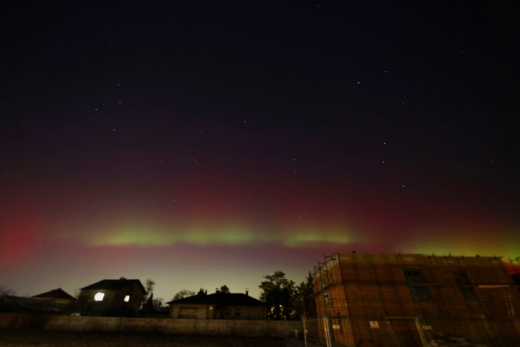
A rare, intense solar storm produced vibrant aurora borealis displays across Europe around January 19, 2026, driven by high solar activity during Solar Cycle 25. The displays featured green, pink, and purple lights, with sightingsContinue reading
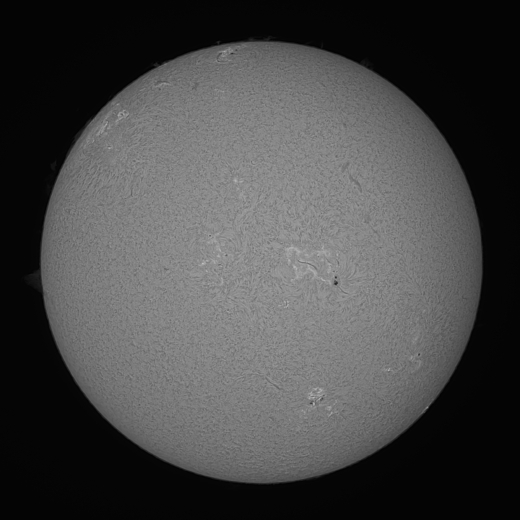
Sun in h-alpha light, 27 December 2025
Giant sunspot complex 4317 centered. Earth-orbiting satellites recorded a strong M5-class solar flare: image. It came from a developing active region near new sunspot 4323. This region near the sun’s eastern limb seems poised forContinue reading
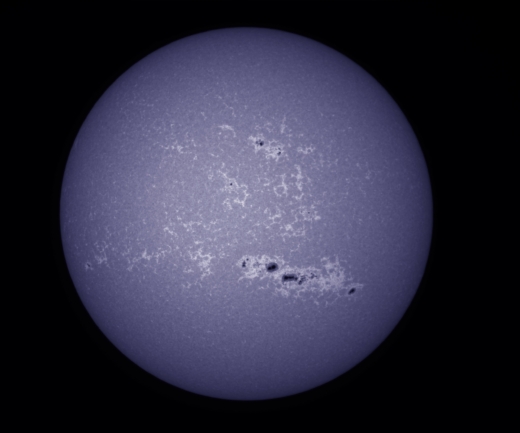
Sun in Ca II K light, 7 December 2025
Giant sunspot complex 4294 – 4296 has a ‘beta-gamma-delta’ magnetic field that harbors energy for X-class solar flares (Credit: NASA/SDO).
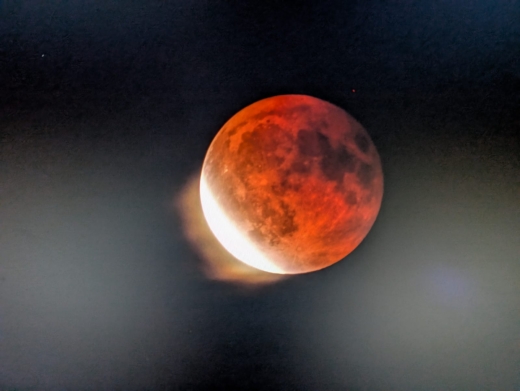
September 2025 lunar eclipse
A total lunar eclipse occurred at the Moon’s ascending node of orbit on Sunday, September 7, 2025, with an umbral magnitude of 1.3638. Viktor and Christian were able to take photos in Wulkaprodersdorf.

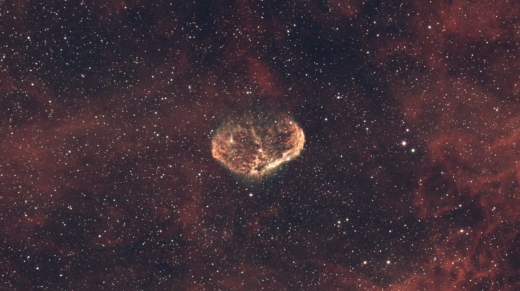
NGC 6888 – Crescent nebula 60 min
NGC 6888, the Crescent Nebula is an emission nebula in the constellation Cygnus, about 5000 light-years away from Earth. This 60 minute capture was taken with Takahashi FSQ106, ASI 585 MC pro and Optolong filter.
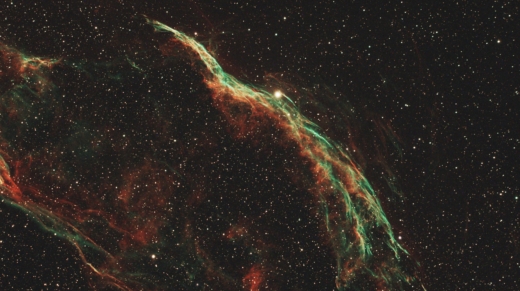
NGC 6960 – Veil nebula, 60 min.
The Western Veil (also known as Caldwell 34), consisting of NGC 6960 (the “Witch’s Broom”, Lacework Nebula, “Filamentary Nebula”) near the foreground star 52 Cygni.

Rosette nebula
The Rosette Nebula is an H II region located near one end of a giant molecular cloud in the Monoceros region of the Milky Way Galaxy. The open cluster NGC 2244 is closely associated withContinue reading
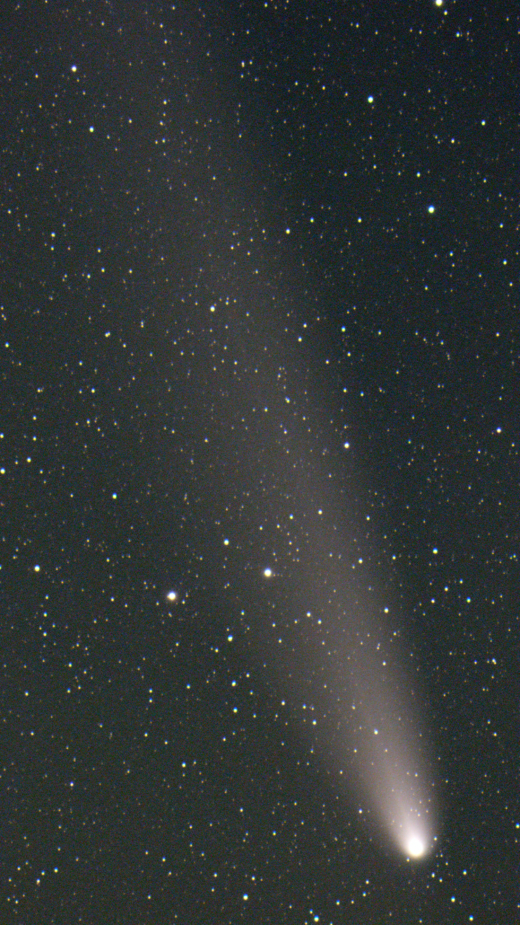
Comet C/2023 A3 Tsuchinshan-ATLAS
C/2023 A3 Tsuchinshan-ATLAS was discovered in 2023, identified by observers at China’s Tsuchinshan (Purple Mountain) Observatory and an ATLAS (Asteroid Terrestrial-impact Last Alert System) telescope in South Africa.