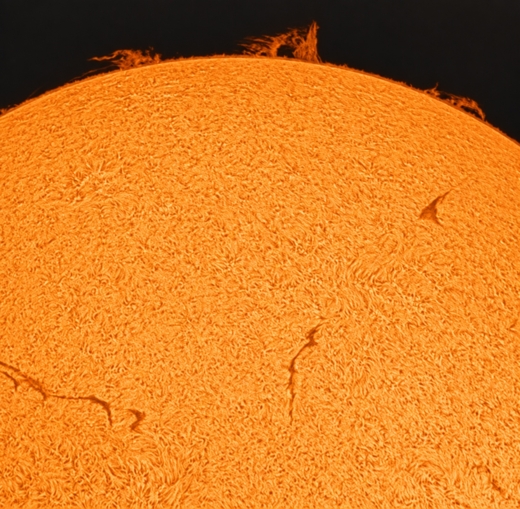
Today’s H-alpha observation with my Lunt solar telescope revealed numerous prominences along the Sun’s limb. Delicate strands and glowing arcs of plasma stood out against the dark background, offering a fascinating view of our star’sContinue reading
Category: Observing report
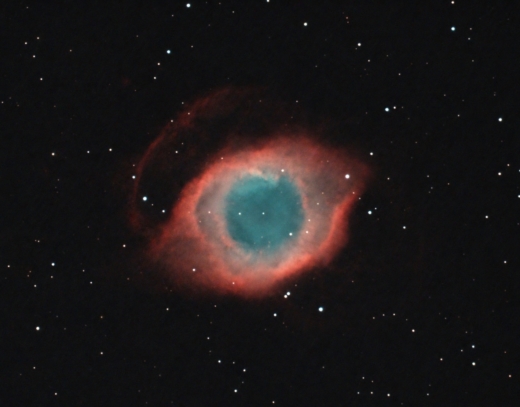
NGC 7293, Helix Nebula
The Helix Nebula is a fascinating target to photograph: a shell of glowing gas shed by a dying star. This image captures its delicate ring and subtle colours—a glimpse of what may one day awaitContinue reading
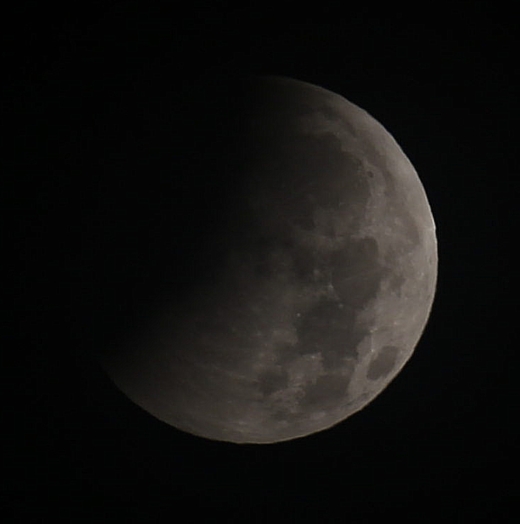
Partial lunar eclipse, 28 August 2026
In the early hours of August 28, 2026, the Moon slipped into Earth’s shadow during a partial lunar eclipse. Clouds hampered the view, but occasional gaps revealed the eclipsed Moon low on the horizon shortlyContinue reading
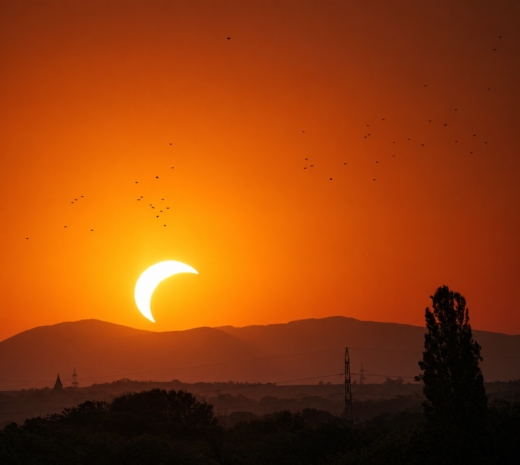
Partial sun eclipse, 12 August 2026
On August 12, 2026, the Moon partially covered the Sun as seen from Austria, creating a spectacular celestial event in the evening sky. With the Sun already low above the western horizon, the eclipse offeredContinue reading
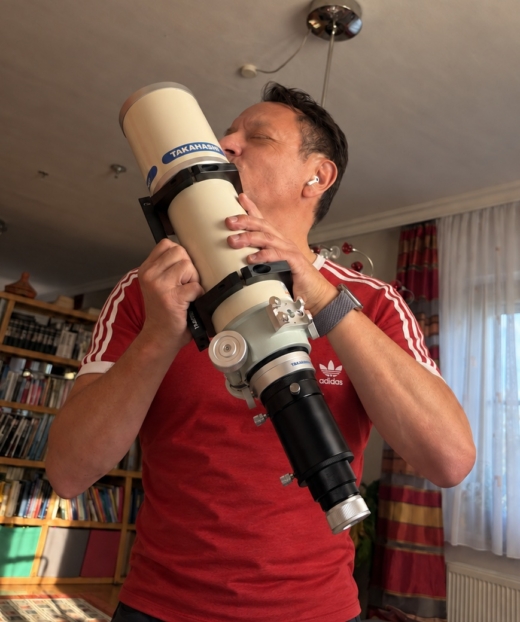
New baby on board – Tak FC-76DS
The Takahashi FC-76DS is the latest addition to my astronomical equipment. This compact fluorite refractor is renowned for its sharp, high-contrast views and is ideal for observing and photographing the Moon, Sun, planets, and deep-skyContinue reading
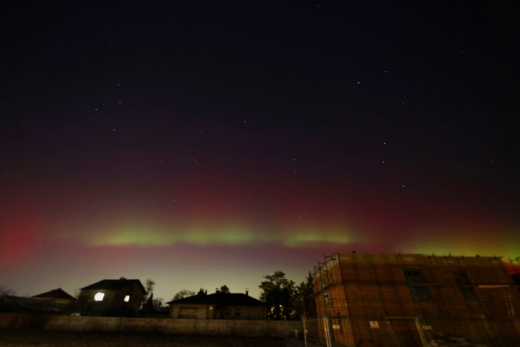
Aurora Borealis, 19 January 2026
A rare, intense solar storm produced vibrant aurora borealis displays across Europe around January 19, 2026, driven by high solar activity during Solar Cycle 25. The displays featured green, pink, and purple lights, with sightingsContinue reading
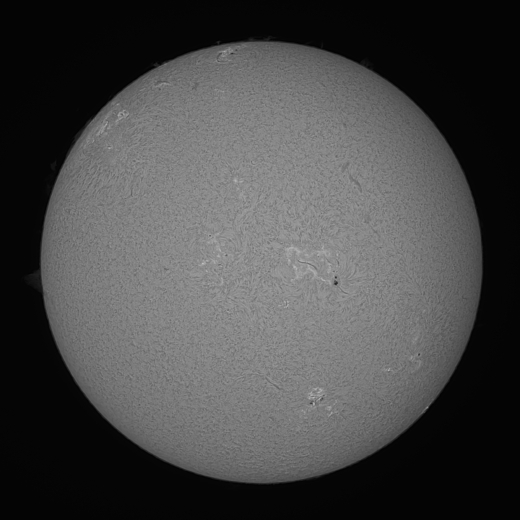
Sun in h-alpha light, 27 December 2025
Giant sunspot complex 4317 centered. Earth-orbiting satellites recorded a strong M5-class solar flare: image. It came from a developing active region near new sunspot 4323. This region near the sun’s eastern limb seems poised forContinue reading
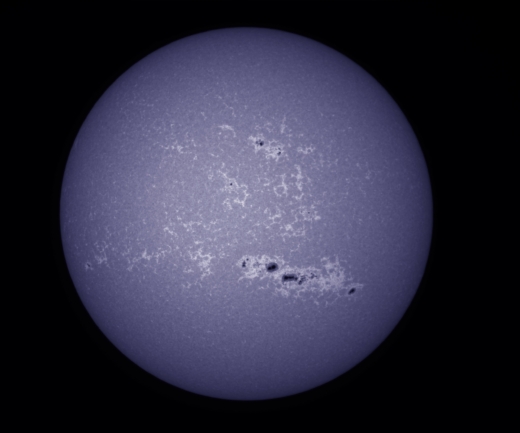
Sun in Ca II K light, 7 December 2025
Giant sunspot complex 4294 – 4296 has a ‘beta-gamma-delta’ magnetic field that harbors energy for X-class solar flares (Credit: NASA/SDO).
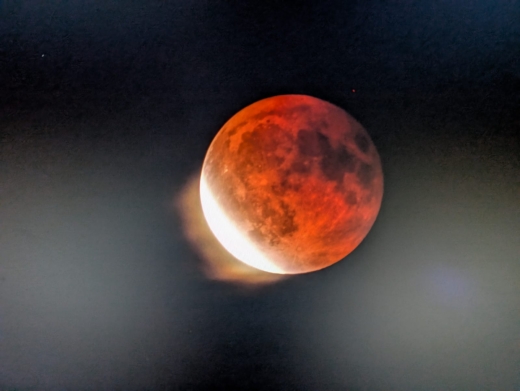
September 2025 lunar eclipse
A total lunar eclipse occurred at the Moon’s ascending node of orbit on Sunday, September 7, 2025, with an umbral magnitude of 1.3638. Viktor and Christian were able to take photos in Wulkaprodersdorf.